From December through February, the island is at its most dazzling.
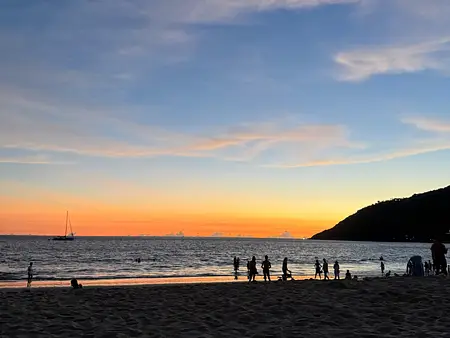
Days hover around 27–28°C, the skies stay clear, and the Andaman shimmers like polished glass.
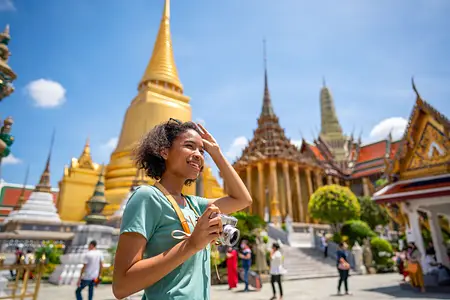
This is when beaches are postcard-perfect and festivals bring the streets alive, from Chinese New Year parades in Phuket Town to lively seaside gatherings.
It’s also peak tourist season, so expect crowds, but that’s the price of perfection.
By March and April, the thermostat climbs.
You’ll feel the heat rising to 30–32°C, and May often feels like the island has turned on its sauna mode.
But if you don’t mind sticky afternoons, mornings are glorious, and Songkran—the Thai New Year water festival in April—is one of those once-in-a-lifetime cultural experiences worth a little sweat.
Then comes the monsoon stretch, June to October.
The rain can arrive in heavy bursts, especially in September, when the island averages more than 350 mm of rainfall.
Still, it’s rarely grey all day—showers sweep in and clear just as quickly.
The upside? Phuket is quieter, greener, and more affordable.
The sea can be rough, but if you’re after solitude and misty jungle backdrops, this season has its own magic.
By November, the island starts drying out again.
Temperatures settle around 29°C, the air feels fresh, and the waters calm down.
Loy Krathong, the Festival of Lights, adds a touch of enchantment as thousands of glowing baskets drift across the lagoons and bays.
It’s like Phuket is inviting you to start the circle all over again.
So, when is the best time?
If you’re chasing that perfect beach holiday, December to February is the golden window.
But the truth is, Phuket never stops being beautiful—it just changes its mood.
Whether you want the buzz of high season or the quiet poetry of the rains, the island will give you something unforgettable.