.jpg)
At the heart of this issue lies Thailand's legal framework, which prohibits non-Thais from owning land freehold. This restriction stems from various historical, cultural, and economic factors, including the desire to protect national sovereignty and prevent foreign dominance over valuable resources. The laws governing land ownership in Thailand are deeply rooted in the principle of safeguarding the country's interests while also ensuring equitable access to land for its citizens.
In Phuket, where the real estate market is fueled by international demand, the limitations on foreign ownership of land are particularly notable. Unlike some other countries that allow foreign nationals to own land outright, Thailand's Land Code restricts land ownership to Thai nationals and companies with a majority of Thai ownership. For foreigners seeking to invest in Phuket's booming property market, leasehold arrangements offer a viable alternative.
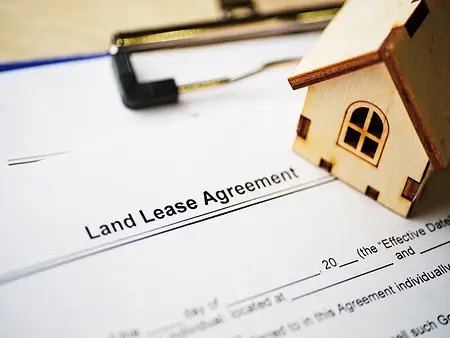
Leasehold ownership grants foreigners the right to use the land for a predetermined period, typically 30 years with the option to renew for additional terms. While leasehold may not provide the same level of security and control as freehold ownership, it remains a popular choice for investors attracted to Phuket's lucrative rental market and potential for capital appreciation. Additionally, leasehold arrangements often come with fewer bureaucratic hurdles and lower initial investment requirements compared to freehold ownership.
Beyond legal considerations, leasehold arrangements in Phuket offer several advantages for foreign investors. Firstly, they provide an opportunity to enjoy the benefits of property ownership in one of the world's most desirable destinations without navigating the complexities of Thai property law. Secondly, leasehold properties can be easily transferred or sold, offering flexibility for investors looking to capitalize on market trends or diversify their portfolios.
Moreover, leasehold ownership allows foreigners to participate in Phuket's dynamic real estate market while supporting local development initiatives and infrastructure projects. By entering into leasehold agreements with Thai landowners or developers, foreign investors contribute to the growth of the local economy and foster positive relationships within the community.
While the inability to own land freehold in Phuket may seem like a barrier to some foreign investors, leasehold arrangements offer a pragmatic solution that aligns with Thailand's legal framework and economic objectives. By embracing leasehold ownership, investors can seize opportunities in Phuket's vibrant property market while respecting the country's sovereignty and cultural heritage.
In conclusion, the restrictions on foreign ownership of land in Phuket underscore the importance of understanding Thailand's legal landscape and exploring alternative avenues for investment. Leasehold arrangements provide a viable pathway for foreign investors to participate in Phuket's thriving real estate sector while adhering to regulatory requirements and contributing to sustainable development. As Phuket continues to evolve as a global destination for property investment, leasehold land remains a compelling option for those seeking to secure their piece of paradise in the Land of Smiles.